Worn-down teeth: why it happens and what to do
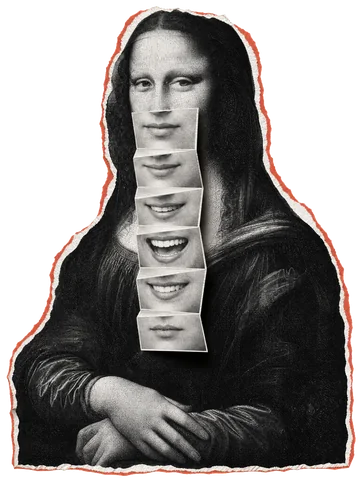 People usually notice it late and not by themselves: an old photograph shows the teeth were longer, or sensitivity appears, or the dentist points at flattened chewing surfaces. Enamel wears in everyone — a normal process of roughly 20–40 microns a year. The problem starts when the rate multiplies. Then in ten years a tooth loses what it should have lost in forty.
How to tell the wear is excessive
Front teeth have become shorter. The most reliable check is an old photograph of your smile. A difference of two or three millimetres is obvious at once.
Chewing surfaces have gone flat. The cusps meant to grind food have disappeared and the tooth looks like a level plate.
A yellow or brown patch on the surface. That is no longer enamel but the dentine beneath. It is softer and wears away considerably faster.
Sensitivity has appeared. To cold, to acid, sometimes just to air. We have a separate article on sensitivity, but with wear the cause is this one.
The edges of the front teeth are translucent with small chips. The enamel has thinned enough to show light through.
The face has changed. The latest and most visible sign: as teeth lose height, the distance between nose and chin shortens. The corners of the mouth turn down, creases appear there and sometimes cracks, and the chin comes forward. People usually blame age — it is bite height.
Causes, and usually there are several
Bruxism. The principal cause. Night-time clenching and grinding apply forces several times higher than chewing, sustained for hours. People do not know they do it — a partner usually reports the grinding, while they simply wake with tight jaws or a dull headache at the temples.
Acid (erosion). Enamel dissolves chemically rather than wearing mechanically. Sources: fizzy drinks, energy drinks, citrus and juices, wine, sports gels. Separately, reflux and gastritis: stomach acid at night produces a very characteristic picture in which the inner surfaces of the upper teeth are the ones affected. If a dentist sees that, they will refer you to a gastroenterologist, and it is not a formality.
An incorrect bite. When some teeth take more than their share, they wear first. Often this follows a lost tooth that was never replaced: the rest redistributed the load.
Abrasion. A hard brush, whitening paste daily, a habit of brushing with pressure. Wear concentrates near the neck of the tooth, forming a wedge-shaped defect.
Occupational and everyday habits. Chewing pens, holding nails or thread in the teeth, ice, sunflower seeds.
Stop it first, restore second
This is the main rule, and the one most often broken.
Restorations placed without removing the cause last a year or two. Composite wears faster than enamel; ceramic chips under the same load that destroyed the natural teeth. The money is spent and the situation is unchanged.
What we do first:
A night guard for bruxism. The cheapest and most effective step available. It does not cure bruxism — that is neurological — but it takes the load instead of the teeth.
Dealing with acid. Limit the sources, drink acidic things through a straw, do not brush straight after them (the enamel is softened — wait 30–40 minutes), and see a gastroenterologist if reflux is suspected.
A soft brush and a low-abrasion paste. Brush without pressure.
Correcting the bite. Sometimes adjusting a few contact points is enough; sometimes an orthodontist is needed.
Replacing missing teeth. While they are absent, the rest work overloaded.
How it is restored
The choice depends on how much has been lost and whether bite height has changed.
Mild wear, height preserved. Composite restorations to rebuild the edges of front teeth and the cusps of back ones. One or two visits, least invasive. Composite restoration of front teeth — UAH 6,800–9,000.
Moderate wear. Ceramic onlays or veneers on the front group. Ceramic does not wear like composite and does not darken. Pressed ceramic veneer — from UAH 17,600.
Severe wear with loss of height. Here it is no longer individual teeth but the whole bite. Diagnostics are needed: a scan, occlusal analysis, sometimes a cephalogram. The height is first raised with temporary restorations, allowing weeks for the joint and muscles to adapt — and only once the patient is comfortable are permanent crowns made. Zirconia crown from UAH 7,200, eMax from UAH 12,200.
This is the longest and most expensive scenario, which is exactly why it is better not to reach it. Wear does not hurt — it simply continues.
What to do now
Compare photographs. Your smile five and ten years ago against now. If the teeth are visibly shorter, you did not imagine it.
Ask your partner about grinding. You cannot hear yourself. The second clue is tight jaws or a dull ache at the temples in the morning.
Look at the edges of your front teeth in daylight. Translucency and small chips are an early sign.
Review what you drink. A litre of fizzy or energy drink a day produces erosion faster than any bruxism.
Come for an examination before sensitivity appears. Early wear is stopped with a guard costing UAH 3,100–4,000. Late wear means full rehabilitation of the bite, and the figures are of a different order.
A consultation with a specialist costs UAH 690. At it the dentist assesses the degree of wear, identifies the cause and says whether anything needs doing now or annual observation is enough.
Frequently asked questions
Is tooth wear just age?
No. Teeth do wear with age, but slowly: 20–40 microns a year. If teeth have visibly shortened by 40 or 50, the cause is load or acid, not the years.
How do I tell wear from acid erosion?
Mechanical wear gives flat surfaces with defined edges. Acid erosion gives rounded, almost melted shapes and cupping on the chewing surfaces. With reflux it is the inner surfaces of the upper teeth that suffer.
Can worn teeth be restored without crowns?
With mild and moderate wear, yes: composite restorations or ceramic onlays. Crowns are needed when a lot of tissue has been lost or the bite height has dropped.
Why a night guard if I don't grind?
Grinding is not always audible — many people clench silently at night. The signs are tight jaws in the morning, aching temples, and tooth indentations on the tongue.
Why can't restorations be placed straight away?
Without removing the cause they last a year or two: composite wears faster than enamel and ceramic chips under the same load. First stop the process, then restore.
Is it true the face changes because of wear?
Yes. As teeth lose height the distance between nose and chin shortens: the corners of the mouth turn down, creases appear, the chin comes forward. It is often blamed on age.
What does restoration cost?
It depends on the scope: composite restoration of front teeth UAH 6,800–9,000, a veneer from UAH 17,600, a zirconia crown from UAH 7,200. Full rehabilitation of the bite is quoted individually after diagnostics.
Would whitening help if my teeth darkened from wear?
No, and it could do harm. The darkening here is dentine showing through thinned enamel. Whitening will not remove it and will increase sensitivity.
What can I do about the sensitivity right now?
A sensitive-teeth toothpaste, a soft brush without pressure, less acid and no brushing immediately after it. That relieves the symptom but does not stop the wear — the cause still has to be found.

Prosthetics on a digital protocol: crowns, veneers, restorations on implants. A “do no harm” approach — preserving as much living tooth tissue as possible.
Doctor's profile →All articles by this doctor →Clinic on Instagram ↗Book an assessment of tooth wear
The dentist will determine the degree, find the cause and say whether treatment is needed now or observation is enough. A consultation with a specialist costs UAH 690.
Or book by phone 067 478 88 78
Book an assessment of tooth wear
The dentist will determine the degree, find the cause and say whether treatment is needed now or observation is enough. A consultation with a specialist costs UAH 690.
Book now